2026-08-19 · Mike Kowalski
How to Handle Sump Pump Failure After Heavy Chicago-Area Rain
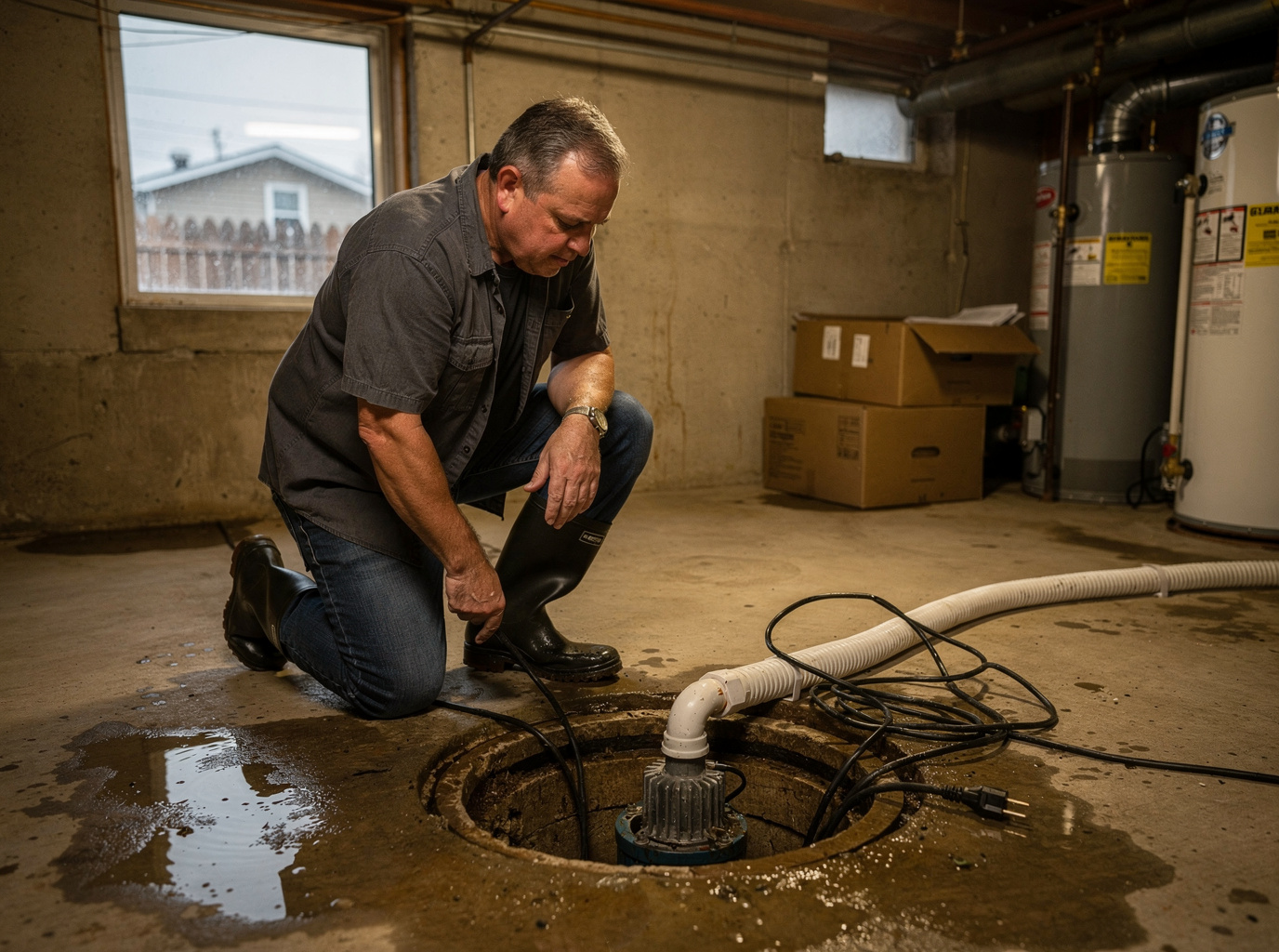
After heavy rain in the Chicago area, first shut off power to the sump pump at the breaker, remove standing water with a wet vac if safe, and contact an emergency plumber right away to prevent basement flooding in Harwood Heights homes.
Recognizing Early Signs of Failure
Homeowners in Harwood Heights and Norridge often notice gurgling sounds or water pooling near the sump pit after storms common to the region's humid continental climate. Cold winters can freeze discharge lines while hot summers increase groundwater levels that strain older systems in Cook County neighborhoods. Check the float switch for debris and test the pump monthly by pouring water into the pit. If the unit runs continuously without lowering water levels or fails to activate during rain, the impeller may be clogged or the motor worn from years of use in local soil conditions. These signs appear frequently in homes near Ridgeland Commons where clay-heavy ground holds moisture longer after downpours.
Why Local Weather Patterns Cause Issues
Harwood Heights experiences intense summer storms and spring thaws that send large volumes of water into basements built on typical Cook County terrain. The area's cold winters lead to ice blockages in outdoor discharge pipes while nearby Chicago and Park Ridge see similar flooding when systems cannot keep up. Older housing stock around Harwood Heights Village Hall often has single pumps without battery backups, making them vulnerable when power outages accompany heavy rain. Soil saturation in Norridge yards raises the water table quickly, forcing pumps to cycle more often and shortening equipment life. Understanding these patterns helps residents anticipate failures tied directly to seasonal shifts rather than random breakdowns.
Immediate Response Steps After Failure
Begin by ensuring electrical safety and avoiding contact with water near outlets or the pump itself. Use a backup generator or manual pump if available to move water out before it reaches finished areas. Document water levels and any damage for insurance while monitoring the pit every 15 minutes during ongoing rain. If the backup battery unit also fails, move valuables to higher ground and prepare for professional extraction. Residents near O'Hare often face rapid water rise due to the flat local topography that slows natural drainage.
When Professional Service Becomes Necessary
Call for Emergency Plumbing Service once basic checks show the pump motor is unresponsive or water continues rising. Technicians can assess whether the discharge line needs clearing or if a full Sump Pump Installation is required for homes in Harwood Heights. Avoid attempting electrical repairs yourself, especially in wet conditions common after regional storms. Professionals familiar with Cook County codes can install proper check valves and alarms that match the demands of local weather cycles.
Long-Term Prevention for Area Homes
Install a battery backup system rated for at least 8 hours of runtime to cover outages during storms. Schedule annual inspections before winter to clear lines that may freeze and before summer to handle peak rainfall. Consider upgrading to a dual-pump setup in older Norridge properties where single units struggle with the volume from heavy Chicago-area rains. Regular maintenance prevents most failures tied to the humid continental patterns that affect the entire region.