2026-08-19 · Mike Kowalski
Protecting Outdoor Faucets From Freezing on Harwood Heights Lots
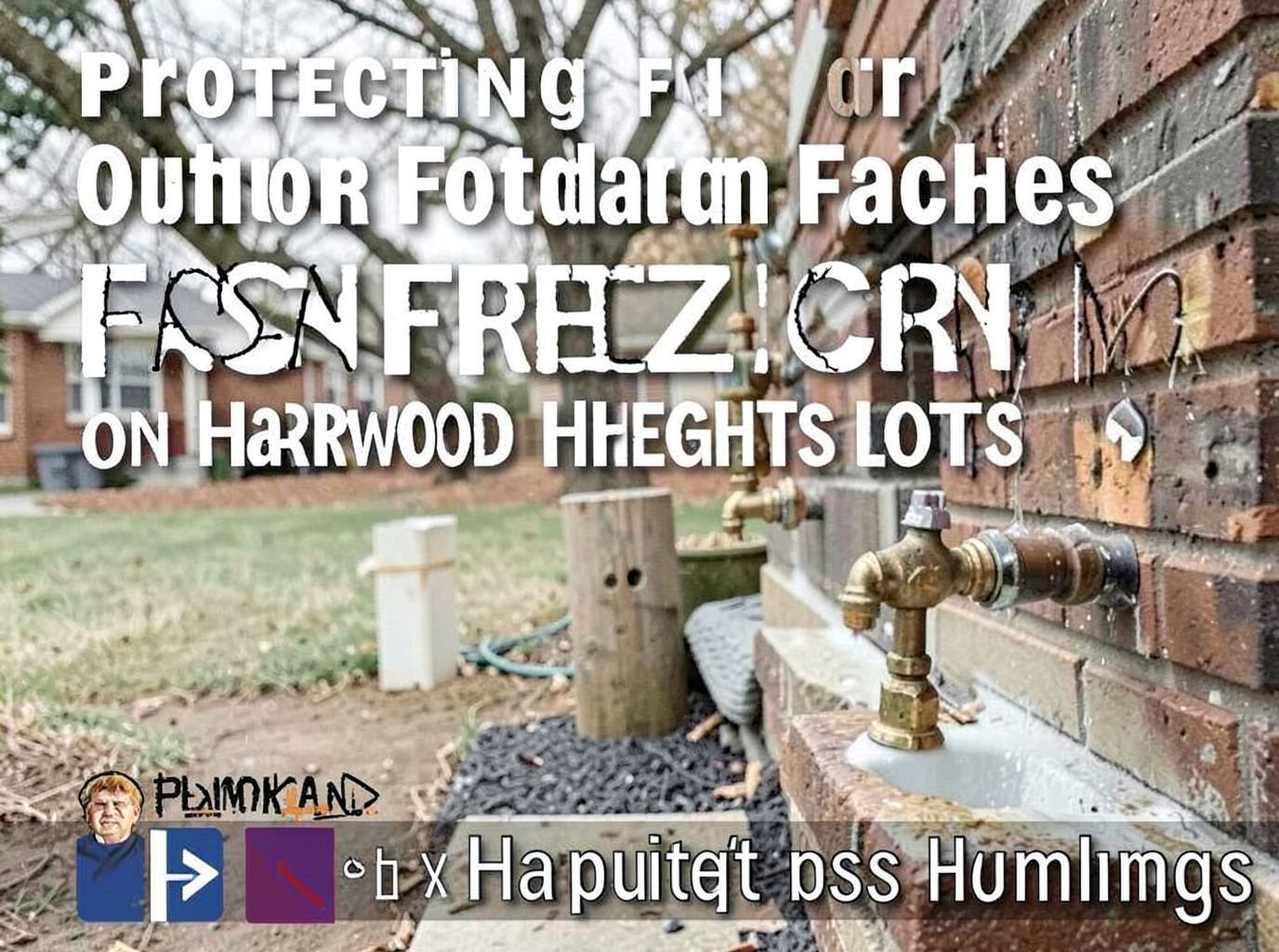
Shutting off the interior water supply and draining outdoor faucets before the first hard freeze prevents bursts on Harwood Heights lots. Homes here often sit on standard residential parcels near Ridgeland Commons and Harwood Heights Village Hall, where original plumbing runs through uninsulated exterior walls exposed to Cook County winters.
Understanding Winter Freeze Risks in Harwood Heights
Harwood Heights and nearby Norridge sit in a humid continental climate with hot summers and cold winters that regularly push temperatures below 20 degrees. Many homes in these neighborhoods feature older copper or galvanized lines running to sill cocks on brick or frame construction built between the 1950s and 1980s. When water remains in the line, expansion during a freeze can split pipes or crack the faucet body, sending water into basements once the thaw arrives. Soil in the area holds moisture that conducts cold deeper around shallow foundation walls, increasing the chance of ice forming even on south-facing exposures. Residents near Park Ridge or Chicago borders see the same pattern because the terrain and housing stock remain consistent across this stretch of Cook County.
Shutting Off and Draining Outdoor Faucets
Locate the shutoff valve inside the home, usually in the basement or crawl space directly behind the exterior faucet. Turn the valve clockwise until it stops, then open the outdoor faucet fully to release pressure. Attach a short hose or use compressed air at low pressure to force remaining water out of the line. Repeat the process on every exterior spigot, including those on detached garages common in Harwood Heights backyards. Leave the outdoor faucet open after draining so any residual moisture can escape during the first freeze cycle. Check the shutoff valves annually because older models in local homes sometimes seize from disuse.
Installing Frost-Proof Faucets on Local Lots
Frost-proof sill cocks extend the valve seat several inches inside the heated wall, reducing the volume of water exposed to outdoor temperatures. When replacing units on Harwood Heights properties, choose models rated for at least 8 inches of wall depth to clear typical brick veneer. Disconnect the old faucet, clean the threads, and apply new plumber's tape before threading the replacement. Slope the supply line slightly toward the interior so gravity assists drainage. Homeowners replacing multiple faucets often combine the work with pipe repair on nearby lines that show corrosion from decades of Chicago-area temperature swings.
Common Mistakes and When to Seek Help
Many residents wrap outdoor faucets with towels or foam covers without first shutting off the water, which only delays the freeze rather than preventing it. Leaving garden hoses attached traps water inside the faucet and accelerates damage. If a line has already frozen, do not apply direct heat with torches; instead, thaw gradually from the interior shutoff outward. Persistent leaks after thawing point to cracked piping that requires professional attention through emergency plumbing service. For homes experiencing repeated winter issues, review related guidance on sump pump maintenance after heavy Chicago-area rain to understand how seasonal water movement affects the entire system. Call a local plumber serving Harwood Heights when valves are inaccessible or multiple lines show signs of prior repairs.